Six years ago, COVID-19 swept the globe and simultaneously changed it forever. Testing lines wrapped around parking lots, home kits became household staples and clinicians worked under constant pressure to identify infections quickly enough to meet exponential demand.
The rushed response exposed major weaknesses in how we approached specimen collection at scale — from consistent sample collection and patient experience to stockpiling capabilities.
Hindsight is 20/20, but the pandemic made it clear that utilizing a more comfortable, sensitive sampling method than the nasopharyngeal swab from the start could have supported earlier detection, faster outbreak containment, and ultimately saved more lives — especially after specific COVID-19 treatments became available in 2021.
Post-pandemic, many challenges for upper respiratory infection (URI) like flu, RSV and COVID persist, and we still need the right collection approach to address them.
Looking back at COVID-era diagnostic issues can help shape a smarter, stronger path forward.
Inconsistent Collection Methods & Techniques
As COVID-19 boomed, swab-based antigen tests became the default collection method because they were accessible and rapidly deployable; not because they were the most evidence-backed option.
Traditional nasal lavage sampling had long been the gold standard for diagnostic accuracy, but the messiness and lack of standardization process made it impractical to implement globally during COVID.
What We Did
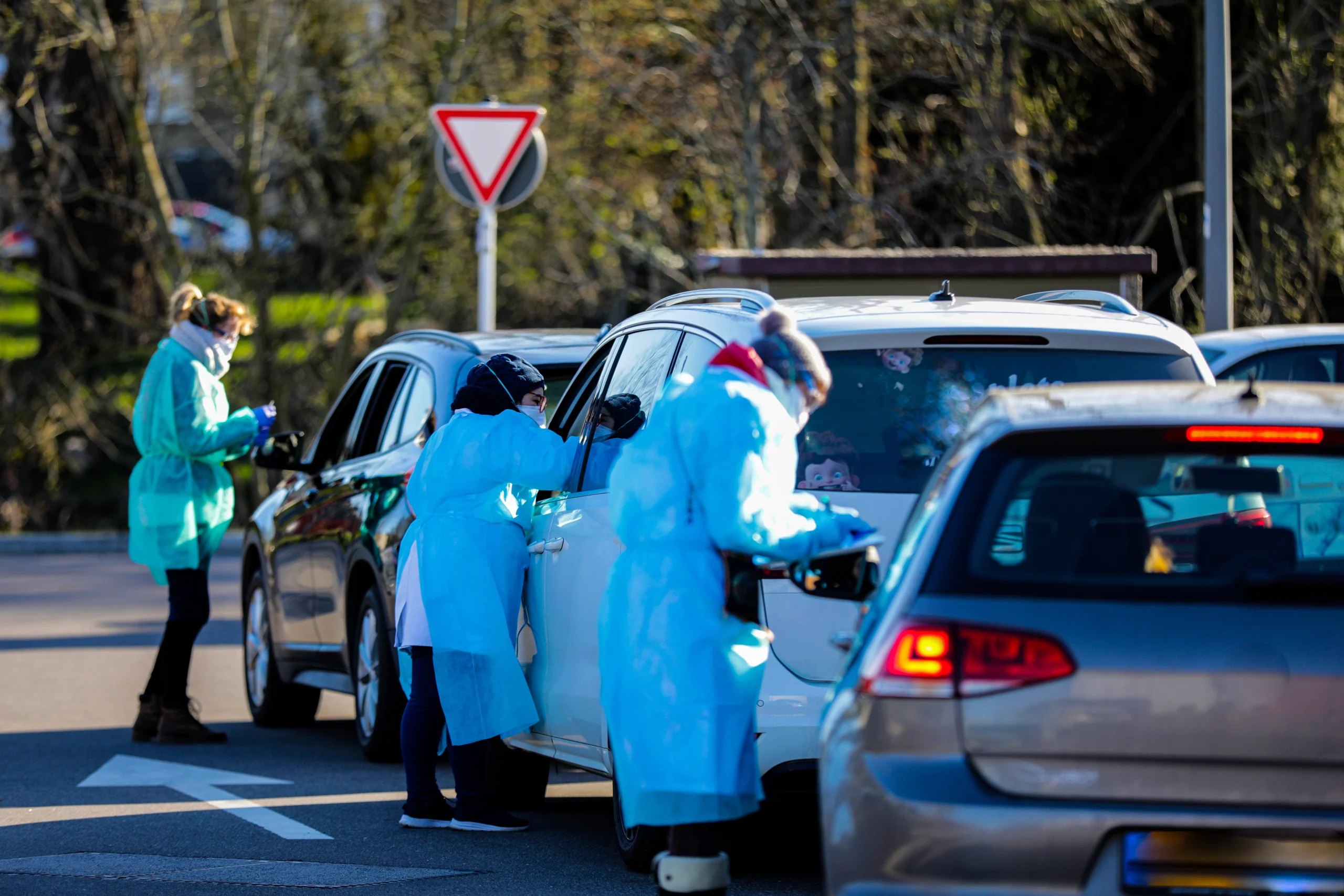
Specimens were collected everywhere via swabs: parking lots, pharmacies, schools, urgent care centers and kitchen tables. The quality of swab specimens collected varied within clinical settings and significantly more outside of them, destabilizing a process where testing accuracy and success heavily depended on proper technique.
Accessibility also compromised consistency, since test results were only as trustworthy as the specimens initially gathered.
What We Could’ve Done Better
Standardized, reproducible collection methods that removed operator variability, like
newly evolved nasal lavage systems, could have delivered a more consistent and standardized sample regardless of administrator experience or testing environment.
False Negatives Due to Low-Sensitivity Swab Sampling
During COVID, many underestimated the role of sample sensitivity in early containment efforts.
What We Did
The low sensitivity of nasal swab specimens made it difficult to diagnose accurately and treat promptly, especially during the critical 96-hour window where therapeutic intervention is most beneficial. With nasal swab antigen tests:
- Sensitivity averaged just 35.8% in asymptomatic patients and 64.2% in symptomatic patients, according to the Centers for Disease Control.
- False negative rates reached 30% to 50% during the first four days of symptom onset.
When infected individuals received reassurance from a false negative result, they were more likely to delay treatment and continue normal activities — accelerating spread while distorting the broader containment picture.
What We Could’ve Done Better
Evolved lavage methods channel the proven advantages of traditional nasal irrigation into a compact device. Such approaches can deliver up to 49% greater sensitivity compared to swabs while still offering exceptional scalability and convenience.
Widespread Test Avoidance Due to Discomfort
One of the most overlooked pandemic lessons is how much patient experience influenced public willingness to get tested. A symptomatic person with COVID-19 who deferred testing can potentially transmit their infection to as many as eight people.
What We Did
Many people dreaded the thought of ramming a swab up their nose, as it was painful and highly invasive. Not only did the deep insertion into the nasopharynx cause involuntary reactions and safety risks contributing to poor specimen quality, but people frequently avoided swab-based testing altogether.
A 2021 study from Sage Journals found that among nearly 2,000 U.S. survey respondents
weighing their sampling options:
- 34% considered testing comfort most important factor
- 20% refused testing entirely due to discomfort
Even today, those poor patient experiences have led a third of Americans to wait it out and forgo the test due to fear and anxiety, according to a 2025 JAMA report.
What We Could’ve Done Better
Equipping the masses with a virtually pain-free sampling method like evolved nasal lavage could have encouraged earlier testing and stronger participation in containment efforts.
Supply Chain Readiness
COVID-19 revealed critical gaps in diagnostic supply chains, shifting preparedness from proactive to reactive.
What We Did
Healthcare systems stockpiled whatever was available instead of prioritizing collection methods built for scalable workflows. Nasal swabs carry relatively short shelf lives, often 12 to 24 months, which forced labs to rotate inventory frequently when demand surged.
What We Could’ve Done Better
Had we introduced a sampling approach with a longer shelf life and seamless integration process, more labs and health systems could have greatly reduced inventory pressure during spikes.
Some evolved nasal lavage solutions, for example, remain viable for up to three years, supporting smarter stockpiling and sustained readiness.
Preventable Hospitalizations, Complications & Deaths
Among the most devastating consequences of COVID was the avoidable suffering and lives lost. Its toll on the U.S. by the numbers serves as the ultimate lesson on why future outbreak preparation should start now:
- Total Hospitalizations: 6 million+
- Total Deaths: 1.2 million+
- Long-COVID: 20 million+
In retrospect, we shouldn’t have viewed our default collection method as a minor operational detail, but rather an outcome-altering tool that shaped diagnostic readiness, patient willingness and how quickly care environments could respond under pressure.
MicroWash as a Swab-Free Solution for Stronger Outbreak Response
During and after the pandemic, experts from the University of Nebraska Medical Center came together to develop a swab-free sampling alternative informed by their own frontline learnings.
MicroWash was the result: The first nasal lavage specimen collection device for URI testing that provides a virtually pain-free patient experience and improved sample sensitivity that surpasses the swab.
From longer shelf life and simple integration to enhanced safety and comfort, discover more advantages of MicroWash and contact our experts to reassess your outbreak response strategy.