

Stories & Trends in Respiratory Nasal Sampling

Stockpiling Smarter: Why Device Shelf-Life Can Make or Break Respiratory Outbreak Readiness
Stockpiled specimen collection supplies can quickly turn into sunk costs instead of ready-to-use response assets when usable inventory expires before the next URI surge hits. Discover why medical device shelf-life is the real measure of readiness for labs seeking smarter outbreak preparedness strategies.
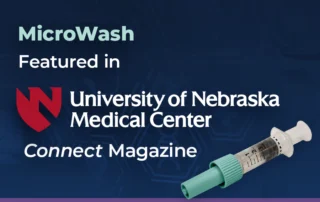
MicroWash Spotlighted in UNMC Connect Magazine Alongside Institution’s Most Notable, Nebraska-Born Medical Innovations
MicroWash was featured in the University of Nebraska Medical Center’s UNMC Connect magazine, highlighting innovations that have made the institution a vital player in health education, research and patient care. The publication touted the evolved nasal lavage device’s comfort, consistency and simplicity as a transformative tool in URI diagnostics.
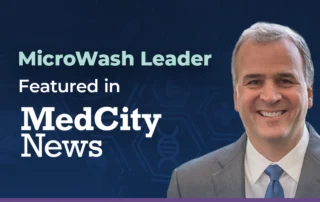
Chief Medical Officer Michael Wadman, MD, FACEP, Explains Why Sample Sensitivity Is the Defining Factor in Respiratory Care Infection Diagnostic for MedCity News
Dr. Wadman broke down why healthcare leaders should start placing greater emphasis on nasal sample sensitivity in MedCity News. He highlighted the anatomical differences between nasal swabs and evolved nasal lavage methods like MicroWash, explaining the downstream benefits of more representative samples across the respiratory care continuum.


Human Factors Engineering in Medical Device Design: Seeking End-User Input Early to Spot Risks & Support Broader Adoption
When teams overlook the realities of real-world care in their medical device design process, inconsistency and risk follow. Explore how human factors engineering (HFE) and patient and clinician input help close these gaps early in development, translating clinical complexities into context-aware solutions equipped for stronger adoption.

CEO Nicholas Lorenzo, MD, MHCM, CPE, FAAPL, Highlights How Medical Device Shelf-Life Defines Diagnostic Readiness in Lab Manager
In an article for Lab Manager, Dr. Nicholas Lorenzo shares how shelf-life constraints are shaping laboratory inventory planning and broader diagnostic readiness. He offers insight into how longer-lasting, higher-sensitivity collection methods like MicroWash can support more strategic preparedness as seasonal surge timelines shift.

6 Years Later: Lessons Learned from COVID-19 Sampling, Testing & Containment
Six years after the pandemic’s peak, healthcare leaders are still unpacking lessons learned from COVID. Explore the diagnostic challenges revealed — including inconsistent specimen collection, false negatives and testing avoidance — and how improved sampling methods can strengthen future outbreak response.