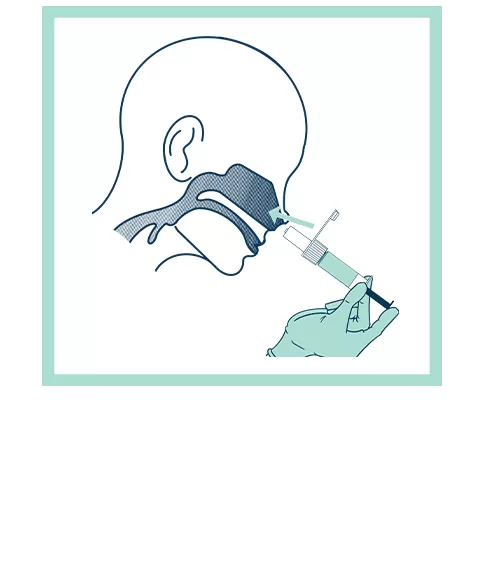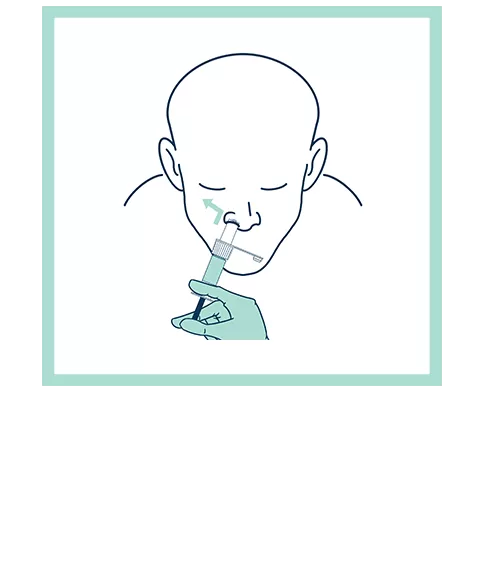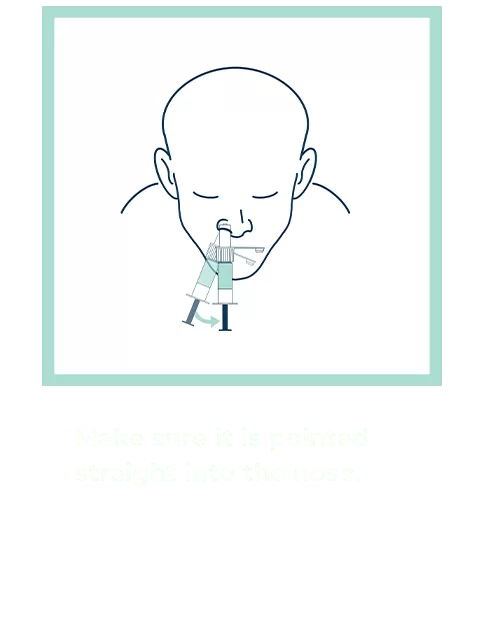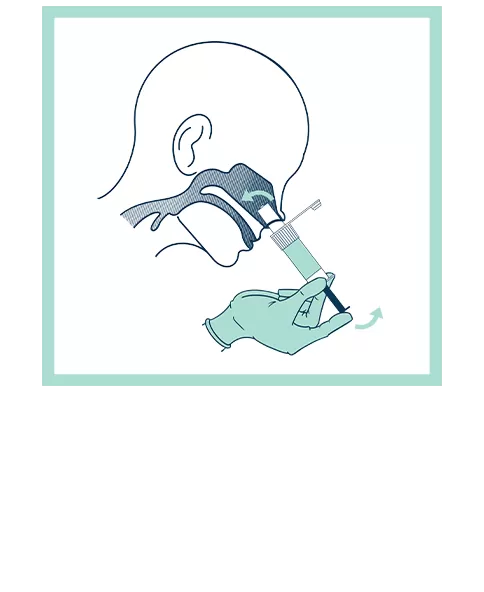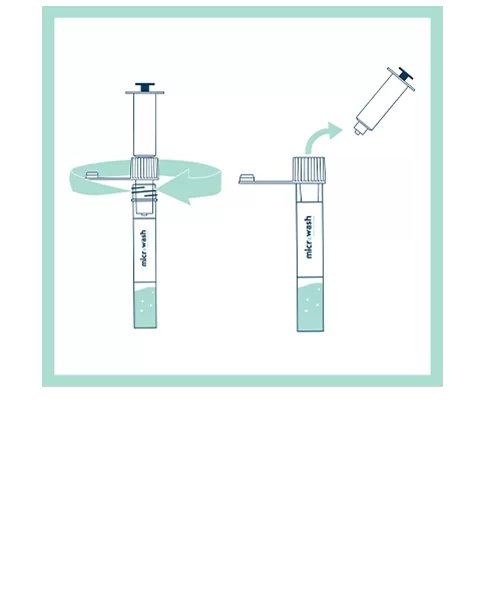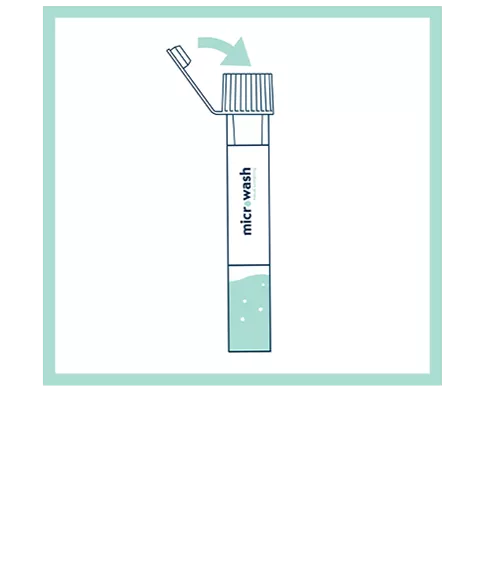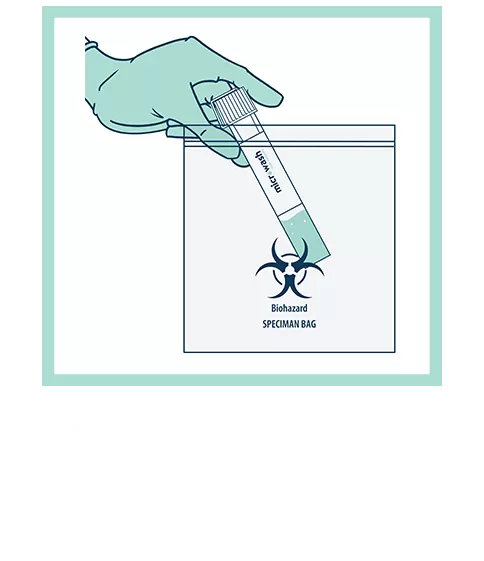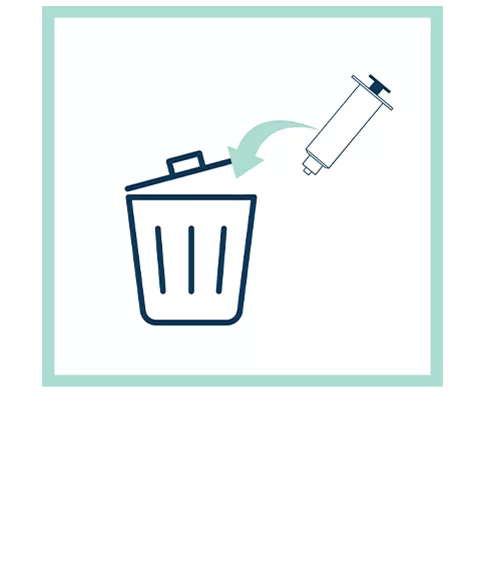

Get a Higher-Sensitivity Sample in a Few Simple Steps

We designed the MicroWash device to provide a simpler, safer patient testing experience with higher-sensitivity samples than traditional nasal swabs or saline irrigation methods. Our priority is ensuring unmatched comfort for users while giving labs higher-sensitivity testing results with fewer extraction errors.

Overview for Use

Our patented groundbreaking device revolutionizes respiratory infection nasal lavage sampling. Medical professionals get quicker, higher-sensitivity samples in multiple settings with increased throughput. Sampling is easy, safe, comfortable and consistent. Refer to the Complete IFU for detailed instructions.
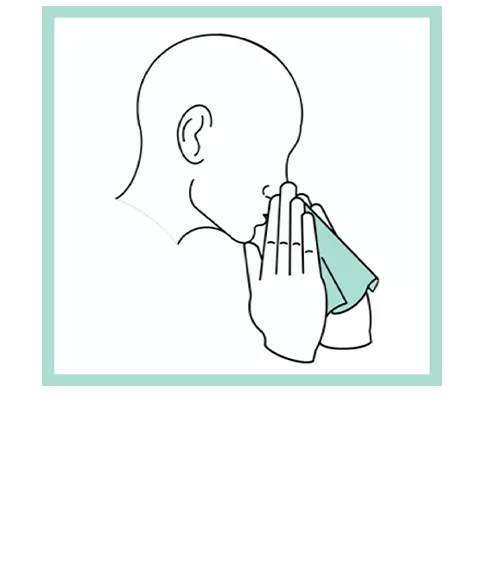
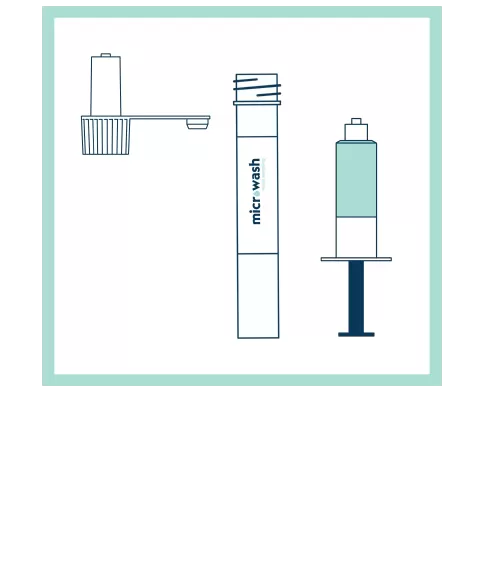
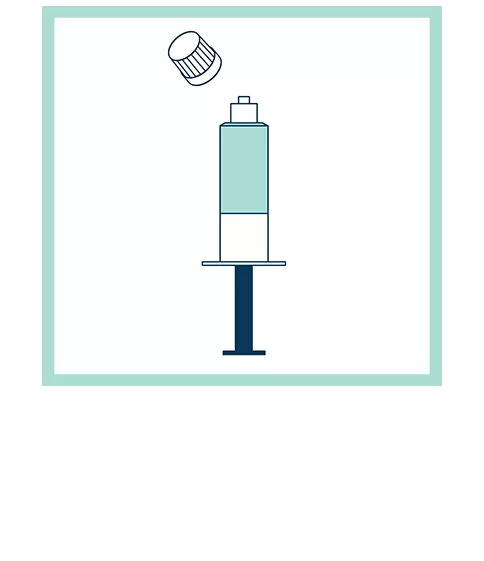
how to step1 2025
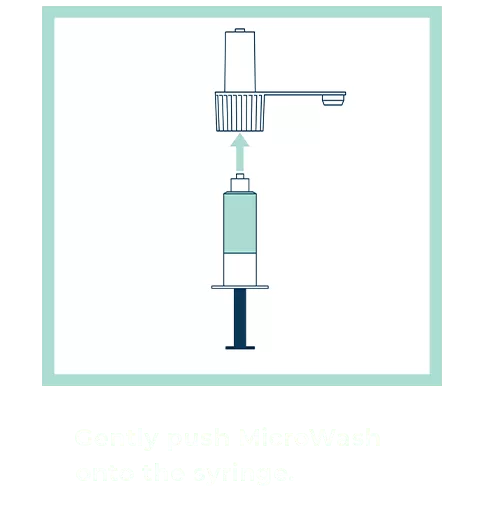
how to step2 2025
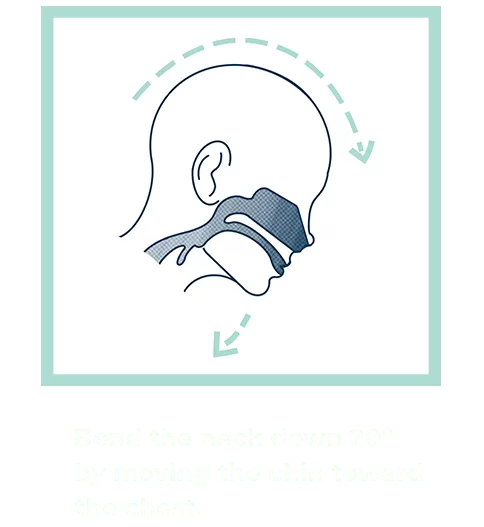
how to step3 2025
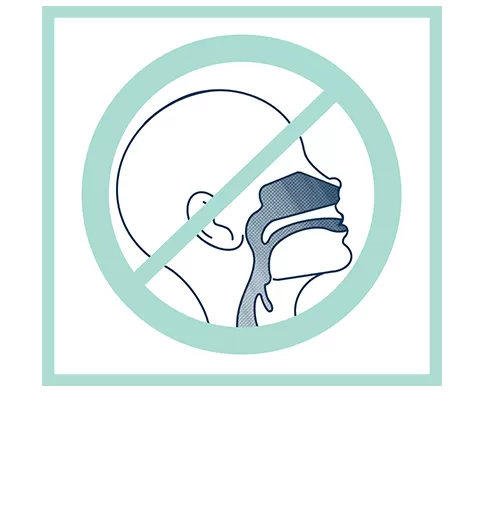
how to step4 2025
how to step5 2025
how to step6 2025
how to step7 2025
how to step8 2025
how to step9 2025
how to step10c 2025
how to step11 2025
how to step12c 2025
how to step13 2025
how to step14 2025
how to step15 2025
how to step16 2025
how to step17 2025
how to step18 2025
how to step1 2025
how to step2 2025
how to step3 2025
how to step4 2025
how to step5 2025
how to step6 2025
how to step7 2025
how to step8 2025
how to step9 2025
how to step10c 2025
how to step11 2025
how to step12c 2025
how to step13 2025
how to step14 2025
how to step15 2025
how to step16 2025
how to step17 2025
how to step18 2025

FAQs for Collection

The MicroWash can be administered in either nostril, but it is recommended the nostril that is least congested is selected to allow unobstructed flow of air and fluid.

The MicroWash prioritizes user comfort and irrigates the nose with less than a teaspoon (3 mL) of sterile saline, which is not enough for irrigation of both nostrils.

Yes. Before beginning the collection process, the nose should be blown at least twice to ensure the nasal passage is clear to ensure the highest quality sample.

Compared to the nasal swab, research has shown that MicroWash delivers a higher-sensitivity sample than the swab for laboratory testing.

Data and user feedback also indicate that MicroWash results in a much more pleasant user experience (it doesn’t hurt!) compared to the nasal swab. Finally, the MicroWash also delivers a higher-quality sample compared to saliva collection.

MicroWash is designed to deliver a gentle fluid irrigation. For children, adolescents, or cognitively impaired individuals, only use under close supervision by a healthcare professional.

At this time, the MicroWash is only sold to healthcare facilities and test centers. Contact your physician’s office or local test centers to check the availability of the MicroWash.

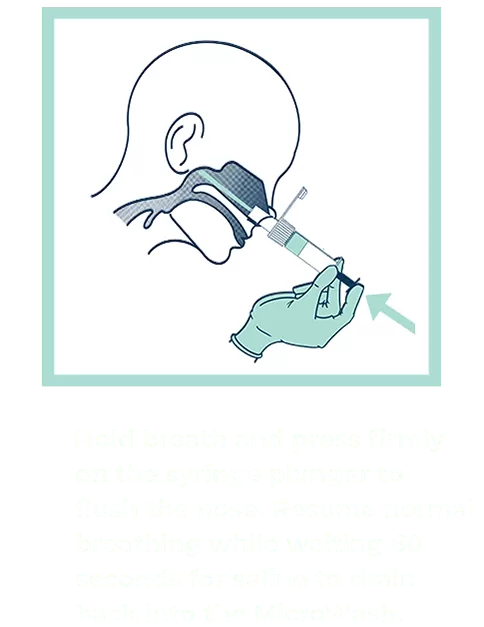
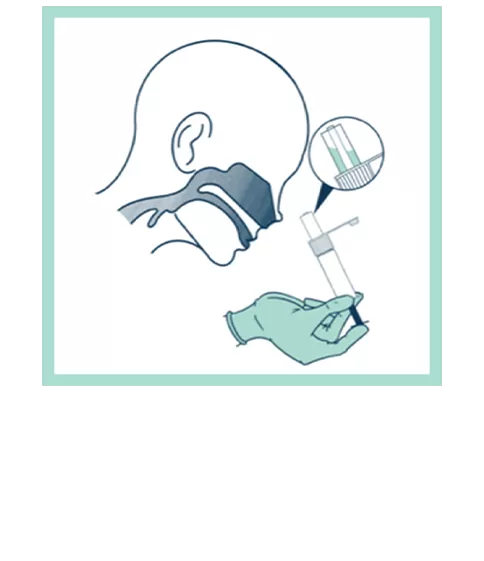
Seconds after the saline nasal infusion is completed, the sample will drip back into the specimen transport tube, which indicates the sample collection process was successful

FAQs for Labs

When used properly the device collects about 2 mL of sample. Tests are potentially not valid if less than 0.5 mL of sample was collected.

Nasopharyngeal wash collection methods such as the MicroWash demonstrated equivalent sensitivity for COVID-19 when compared to nasopharyngeal swab specimens1.

Furthermore, data on saliva samples for COVID-19 have demonstrated inconsistent results in PCR testing. Based on a meta-analysis published in Frontiers in Medicine, saliva specimens demonstrated a lower sensitivity (91%) for COVID-19 as compared to nasopharyngeal specimens (98%)2.

1Sensitivity of nasopharyngeal, oropharyngeal, and nasal wash specimens for SARS-CoV-2 detection in the setting of sapling device shortage. European Journal of Clinical Microbiology & Infectious Disease. 2020 Sept; 40: 441-445. doi: 10.1007/s10096-020-04039-8.

2Saliva as a candidate for COVID-19 diagnostic testing: a meta-analysis. Frontiers in Medicine. 2020 Aug; 465(7): 1-10. Sep;47(5):798-806. doi: 10.3389/fmed.2020.00465.

Data has shown the MicroWash device to demonstrate:

  • 100% specimen cellularity in internal PCR validation studies with a mean cycle threshold of 29.5.
  • Higher consumer acceptance with a pain rating of 0.3/10 when compared to the NP swab (8/10 pain).

See more advantages over the nasal swab.

Yes. All the components of the MicroWash kit are biocompatible and the appropriate components have been reviewed by the FDA.

The MicroWash device has a built-in flip cap that maintains specimen integrity while preventing leaks during transport.

Yes. With the MicroWash securely tightened onto the specimen transport tube and the flip cap properly attached, an airtight, leakproof seal will maintain specimen integrity and prevent leaks.

The MicroWash is a one-time (single) use device. After use, the MicroWash should be disposed of in accordance with guidelines regarding disposal of biohazards medical devices.

For more information, review the Occupational Safety and Health Administration (OSHA) blood-borne pathogens standard, 29 Code of Federal Regulations (CFR) 1910.1030.

When handling specimens collected by the MicroWash, personnel should observe all universal precautions for the handling of bodily fluids.

For more information, review the Occupational Safety and Health Administration (OSHA) bloodborne pathogens standard, 29 Code of Federal Regulations (CFR) 1910.1030.

More For Labs: Discover the Process & Advantage

See how our new gold standard for nasal sampling surpasses swabs and prior saline irrigation methods
on virtually all levels, and find answers to your lab processing questions.

See how our new gold standard for nasal sampling surpasses swabs and prior saline irrigation methods on virtually all levels, and find answers to your lab processing questions.
The Macro Potential of MicroWash for Effective Virus Management

Contact us to get details on our game-changing sample collection system, which works seamlessly with your existing lab processes.