
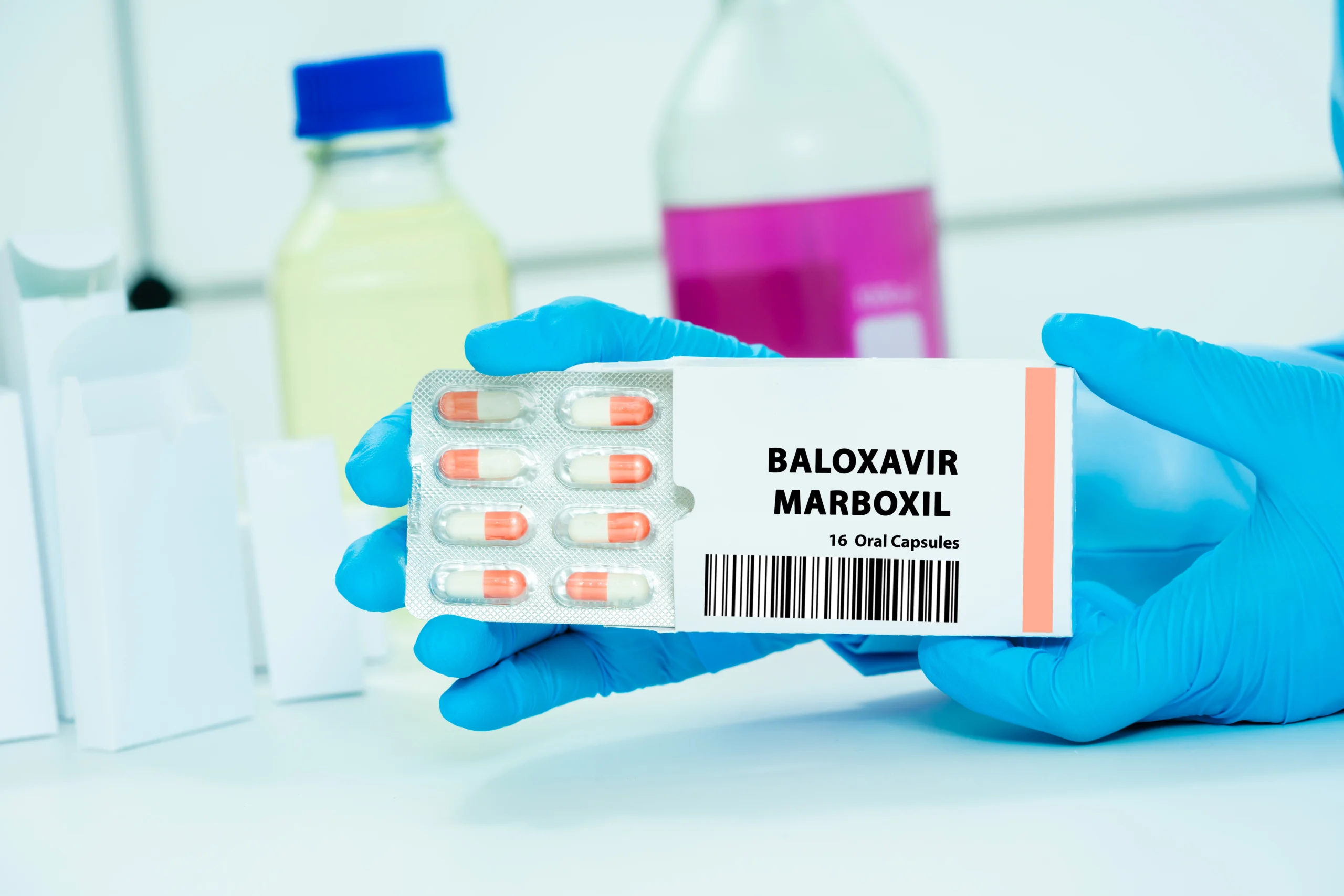
The first few months of the 2025-2026 flu season have already surpassed last year’s total case numbers, reaching more than 20 million illnesses, 270,000 hospitalizations and 11,000 deaths.
Amid the boom, new evidence is reframing frontline treatment decisions. While early intervention was recommended with the longtime antiviral standard, oseltamivir (Tamiflu), it wasn’t always a priority — because shaving hours off a clinical course didn’t meaningfully impact outcomes, and significant adverse side effects seemed to outweigh any positive benefits.
Now, that’s changed. Recent studies show baloxavir (Xofluza) as the superior treatment option to oseltamivir, and this fast-emerging preferred antiviral amplifies the consequences of delayed diagnoses for both individuals and healthcare systems.
Because initial sample quality ultimately determines the broader timeline and trajectory of care, optimal specimen collection methods should evolve alongside preferred flu treatment options.
Explore why evolved nasal lavage sampling is better positioned to maximize the benefits of Xofluza than nasal swab antigen tests, supporting a faster path to clearer answers, milder surges with less spread and fewer diagnostic uncertainties.
Data Confirms: Early Testing Paired with Enhanced Flu Treatment Helps Reduce Transmission & Health System Strain
Several recently published studies revealed that using the right antiviral early in the course of the illness has greater influence on individual recovery, transmission patterns and healthcare utilization as a whole.
Early diagnosis of influenza or any upper respiratory infection (URI) — ideally within 4 days of symptom onset; the earlier the better — with prompt initiation of specific treatment significantly reduces hospitalization, need for ICU care and/or death, especially in at-risk patient populations under age 5, over age 65 and anyone with a chronic disease.
Symptom Duration & Adverse Events
A large comparative study in the Journal of the American Medical Association (JAMA) Network found baloxavir led to shorter symptom duration and fewer adverse events than oseltamivir. Advantages were most noticeable when baloxavir was prescribed as soon as symptoms presented.
Real-World Household Transmission
A U.S. outpatient prospective survey conducted through CVS Pharmacy examined adults who filled a baloxavir versus oseltamivir prescription within two days of symptom onset. Baloxavir showed significantly lower transmission rates.
Fewer secondary household infections translated directly into fewer missed workdays, less caregiving burden and lower risk for vulnerable loved ones.
Downstream Healthcare Utilization
The same survey also reported a lower rate of emergency department visits, and a separate, retrospective cohort analysis through the TriNetX U.S. Collaborative Network reinforced this finding — indicating lower hospitalization rates among outpatients treated with baloxavir.
Baloxavir vs. Oseltamivir Performance at a Glance
Early flu treatment with baloxavir produces clear benefits for patients and fewer downstream complications for care teams, especially during peak seasons where clinicians face higher volume, more staffing constraints and limited follow-up capacity. To sum it up:
| Oseltamivir (Tamiflu) | Baloxavir (Xofluza) | |
|---|---|---|
| Symptom Duration | +1.02 days | -1.02 days |
| Frequency of Adverse Events | +3.2% | -3.2% |
| Household Transmission Rate | 26.5% | 17.8% |
| ED Visit Rate | 4.6% | 0.0% |
| Hospitalization Rate | 5.3% | 0.8% |
With the availability of specific antiviral treatment that produces a positive clinical result, expectations around the speed and reliability of treatment grow.
This places more pressure on the first diagnostic step: confirming infections soon enough for flu treatments like baloxavir to be most effective.
How Early is “Early Enough” to Realize Baloxavir’s Flu Treatment Potential?
Even the most effective antivirals depend on timely, reliable illness confirmation, yet clear answers often lag behind clinical demand when volume surges.
Flu antivirals deliver the greatest benefit within the first 48 hours of symptom onset, with some benefit extending into the 96-hour window, as outlined in MedCity News. Delays in confirmation quickly narrow that timeframe.
Inconsistent, low-sensitivity sampling methods may delay diagnoses, return unclear results or discourage testing. For instance, with the default nasal swab antigen test:
- Sensitivity averages just 35.8% in asymptomatic patients and 64.2% in symptomatic patients, the Centers for Disease Control reports.
- False negative rates reach an astounding 30% to 50% during the first 96 hours of symptom onset, making the output more of a guess than a genuine diagnosis.
- Poor patient experiences with COVID-era sampling have led a third of Americans to avoid getting tested for respiratory infections like flu altogether due to fear, anxiety and discomfort, according to a 2025 JAMA report.
Each setback compresses treatment timelines and increases the likelihood of repeat visits, precautionary prescriptions or escalation of care — and this is why initial specimen quality often determines broader outcomes from the start.
Why Higher-Sensitivity Methods Support the Narrow Flu Treatment Window
Sampling methods that collect higher-sensitivity specimens than nasal swabs enable faster and more accurate answers when timing matters most. If clinicians can trust early results, they can confidently initiate baloxavir and other appropriate antivirals within the ideal treatment window.
Evolved nasal lavage specimen collection is one high-sensitivity solution. Using a gentle sterile saline wash, this method captures a larger, more representative sample from deeper inside the nasopharyngeal cavity than swabs — with a fraction of the patient discomfort and clinical uncertainty that frequently follows.
During flu surges especially, that prompt clarity helps accelerate care plans, maximize antiviral advantages and ensure the proper diagnosis doesn’t become a costly bottleneck.
Get the Most Out of Baloxavir Flu Treatment with MicroWash
Antiviral advances have raised standards for diagnostic reliability and timing. Now, forward-thinking healthcare systems may consider transitioning to a sampling method that meets them.
The MicroWash nasal lavage specimen collection device outperforms nasal swabs on virtually every level, supporting smoother end-to-end flu treatment through:
- More Sensitive Samples: MicroWash samples plus PCR tests are up to 49% more sensitive than swabs coupled with antigen tests.
- Comfortable Experience: In terms of pain, patients rate swabs at 8/10 and MicroWash at just 0.3/10, supporting increased willingness to test.
- Longer Shelf Life: Nasal swab kits generally expire after one to two years, while MicroWash kits have up to a three-year shelf life.
- Easy Lab Integration: The device seamlessly integrates into existing PCR protocols.
The result of MicroWash is a more resilient healthcare infrastructure that’s built to withstand booming patient volume, improve outcomes and mitigate the seasonal surge year after year.
Discover more advantages of MicroWash over nasal swabs and contact our medical experts to equip your clinical environment with the future of influenza sampling.