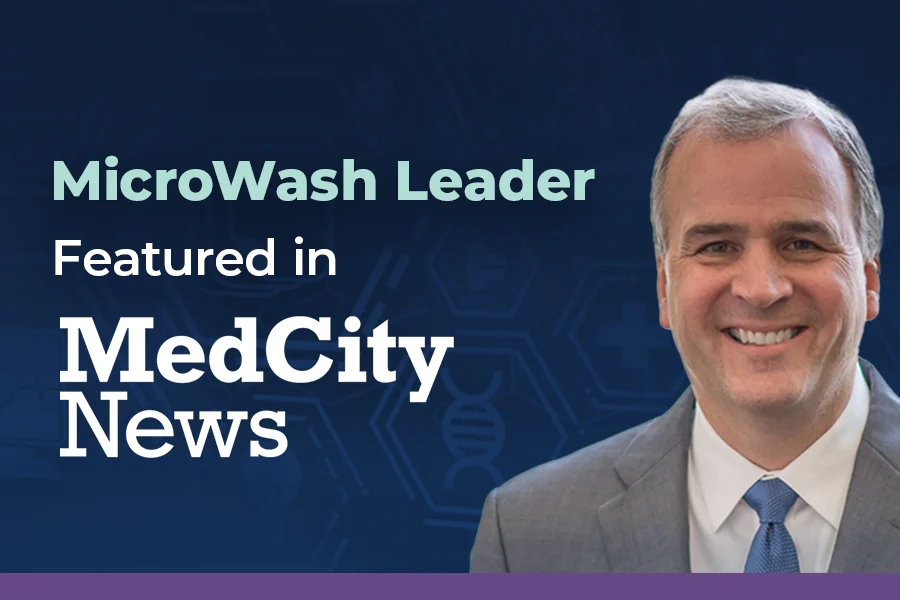
Effective specimen collection during the pivotal therapeutic intervention window for upper respiratory infections (URIs) guides everything that follows, from individual treatment decisions to large-scale community outbreak control. In his latest MedCity News article, Michael Wadman, MD, FACEP, broke down why delivering a proper diagnosis within the first 96 hours after symptom onset is critical for stronger healthcare system operations and patient outcomes.
In the article, Dr. Wadman explained the science behind the “optimal range” for productive URI intervention, offering a detailed overview of what occurs inside the body during that timeframe and why antigen tests often fall short given such biological realities.
Missed infections and delays past the 96-hour window, he noted, force a pivot toward supportive care instead of targeted treatment — and these missteps can ripple through the healthcare system in the form of avoidable repeat visits, disease progression and hospitalizations, among other costly consequences. Evolved nasal lavage alternatives to antigen tests, like MicroWash, offer a more standardized, higher-sensitivity solution that helps clinicians reach the right diagnosis sooner.
Dr. Wadman, MD, FACEP, is a veteran emergency physician with 30+ years of clinical experience who holds tenured professor and endowed chair positions at University of Nebraska Medical Center and is the Medical Director of the National Quarantine Unit, the only federally supported unit in the U.S. His emergency medicine and infectious disease experience drive medical excellence in device development for University Medical Devices.